
Exclusionary discipline practices can harm students’ mental and behavioral health, increasing stress, disconnection, and disengagement from school. This moderated panel explores how behavioral-health aligned restorative approaches can shift school discipline from removal to connection, leading to stronger academic and wellbeing outcomes. Hosted by CalHHS’s Children and Youth Behavioral Health Initiative and UCLA’s Center for the Transformation of Schools.
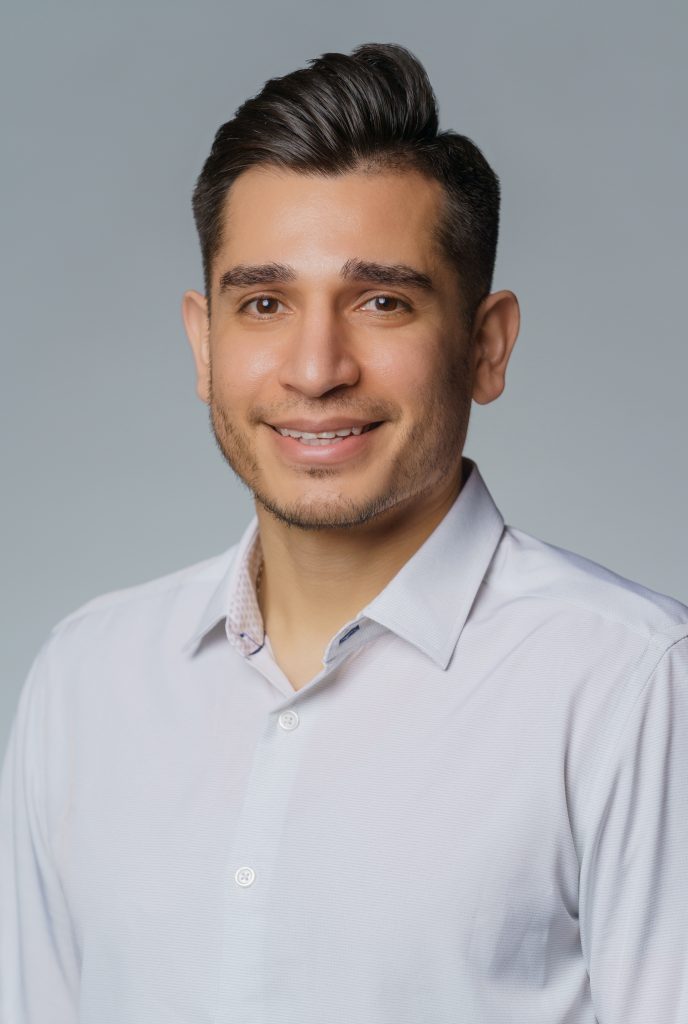 Dr. Michael Corral – Project Director with the Center for the Transformation of Schools, UCLA·UCLA Center for the Transformation of Schools
Michael D. Corral is the Director of the REACH Network at UCLA’s Center for the Transformation of Schools, where he leads efforts to reduce the disproportionate use of exclusionary discipline for students of color, students with disabilities, and LGBTQ+ youth. His work focuses on advancing evidence-based, restorative alternatives that support student belonging, healing, and educational equity.
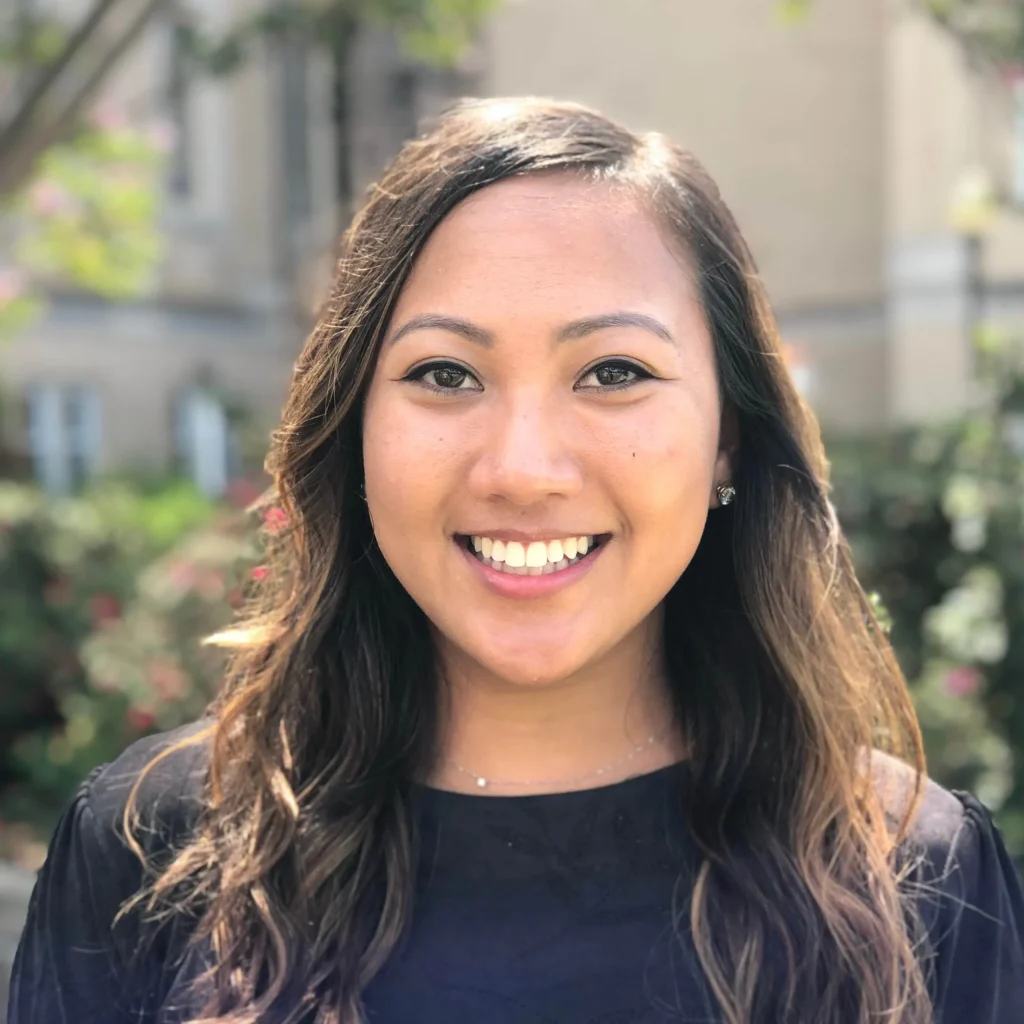
Dr. Kathy Do – Asst. Project Scientist w/ CA Inst. for Law, Neuroscience & Educ. & UC|CSU Collaborative for Neuroscience, Diversity & Learning·UCLA School of Education and Information Studies
Kathy Do is an education researcher at UCLA, whose work focuses on school discipline, equity, and the implementation of restorative and student-centered practices in K–12 systems. Her research examines how policies and practices shape student experiences, particularly for historically marginalized students, and how schools can move from punitive responses toward relational, supportive approaches. Dr. Do brings a strong applied research lens, translating evidence into practical insights for educators, district leaders, and policymakers seeking to create more inclusive and supportive school environments.
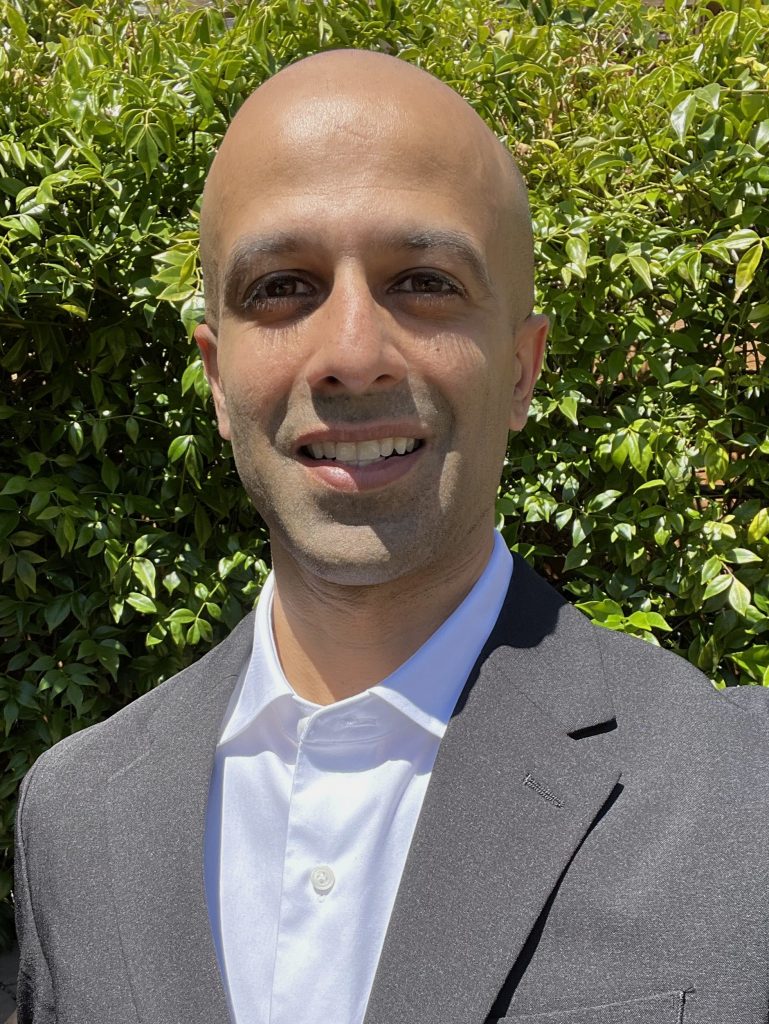 Dr. Sohil SudDirector, CYBHI·Children and Youth Behavioral Health Initiative
Dr. Sohil Sud is director of the Children & Youth Behavioral Health Initiative, California’s multi-year multi-billion investment to transform the way we support children, youth, and families. He is a practicing pediatrician on faculty at the University of California, San Francisco (UCSF) and cares for newborns and hospitalized children. His work focuses on advancing statewide behavioral health strategies that strengthen access to care for children and youth across education, healthcare, and community systems. Dr. Sud brings a clinical and systems-level perspective to understanding how belonging, connection, and supportive school environments function as protective factors for student mental health, and how cross-sector policy and financing structures can better support prevention, early intervention, and recovery.
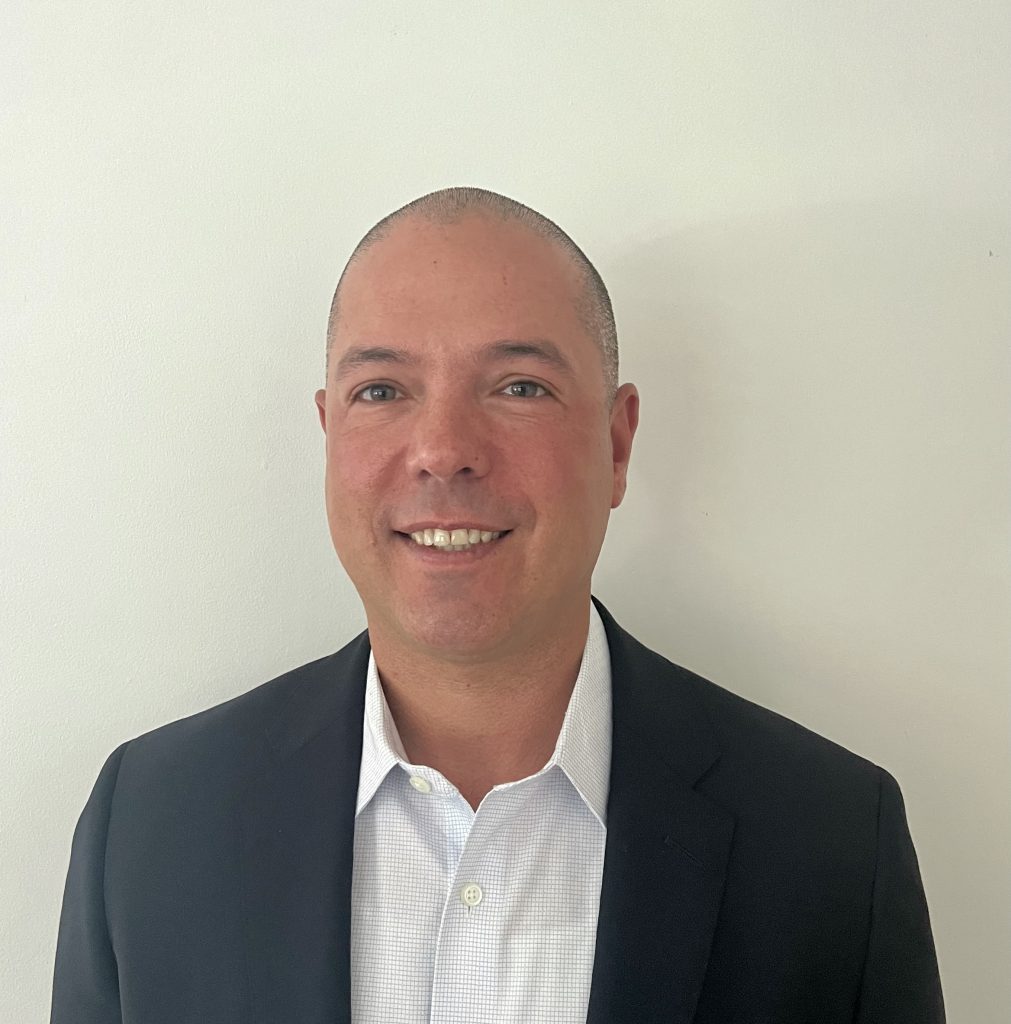 Dr. Michael MassaChief of Health Policy Division, OYCR·Office of Youth and Community Restoration
Michael Massa is a research and policy leader with California’s Office of Youth and Community Restoration (OYCR), where he focuses on improving outcomes for system-impacted youth through restorative, community-based approaches. His work centers on juvenile justice education, school re-entry, and the reduction of exclusionary practices that disrupt learning and wellbeing. Dr. Massa brings deep expertise in how youth justice, education, and behavioral health systems intersect—and how restorative and reintegrative practices can support accountability, healing, and long-term educational success.
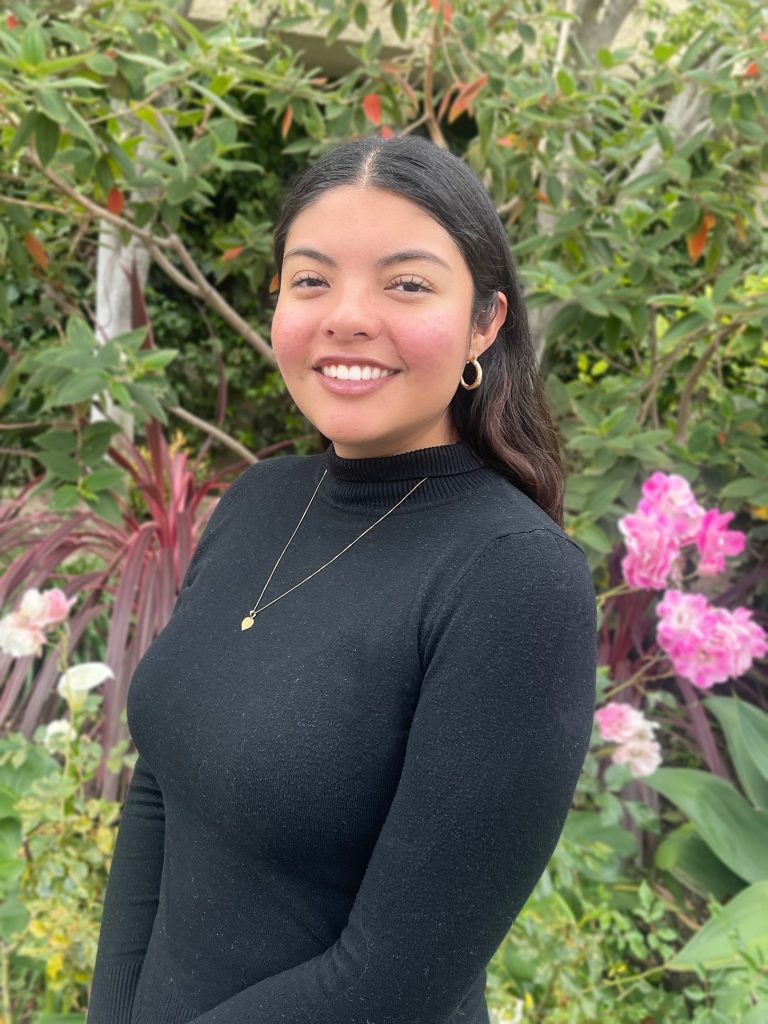 Adriana Jaramillo CastilloResearch Analyst, Center for the Transformation of Schools (UCLA)·UCLA Center for the Transformation of SchoolsAdriana Jaramillo Castillo is a research analyst at UCLA’s Center for the Transformation of Schools, where she supports research and evaluation focused on restorative technical assistance, community schooling, and implementation initiatives. Her work centers educational equity and access across K–12 and postsecondary systems, with a particular focus on historically marginalized and system-impacted students.